
 中文
中文


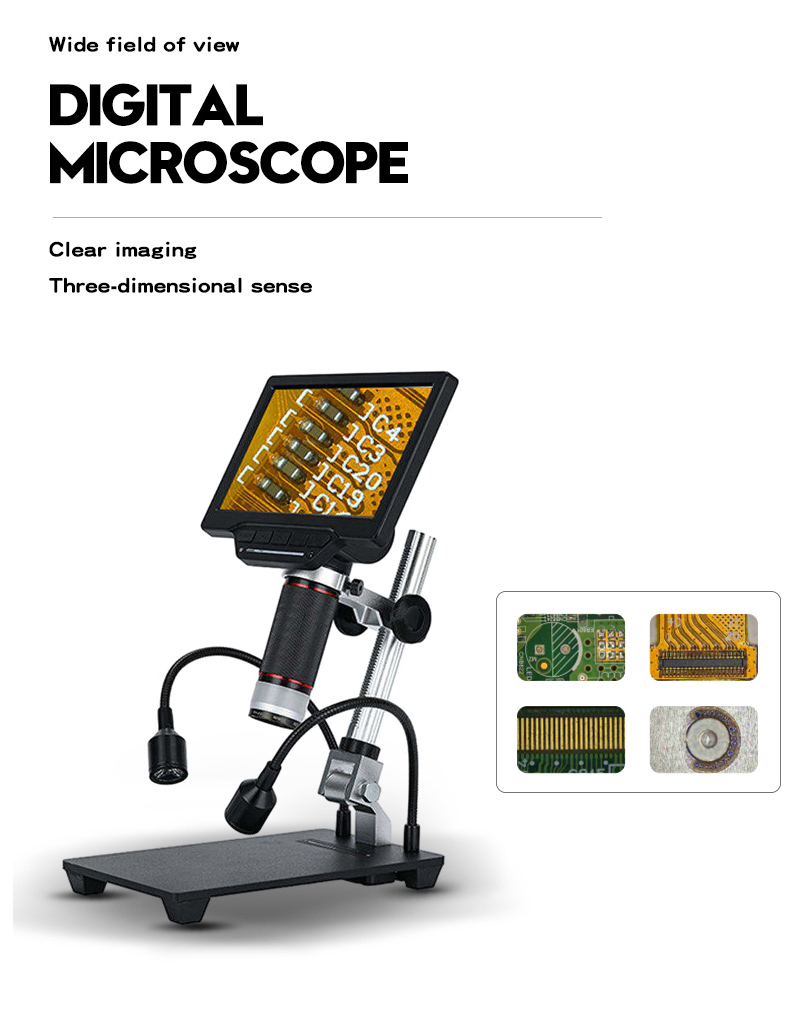
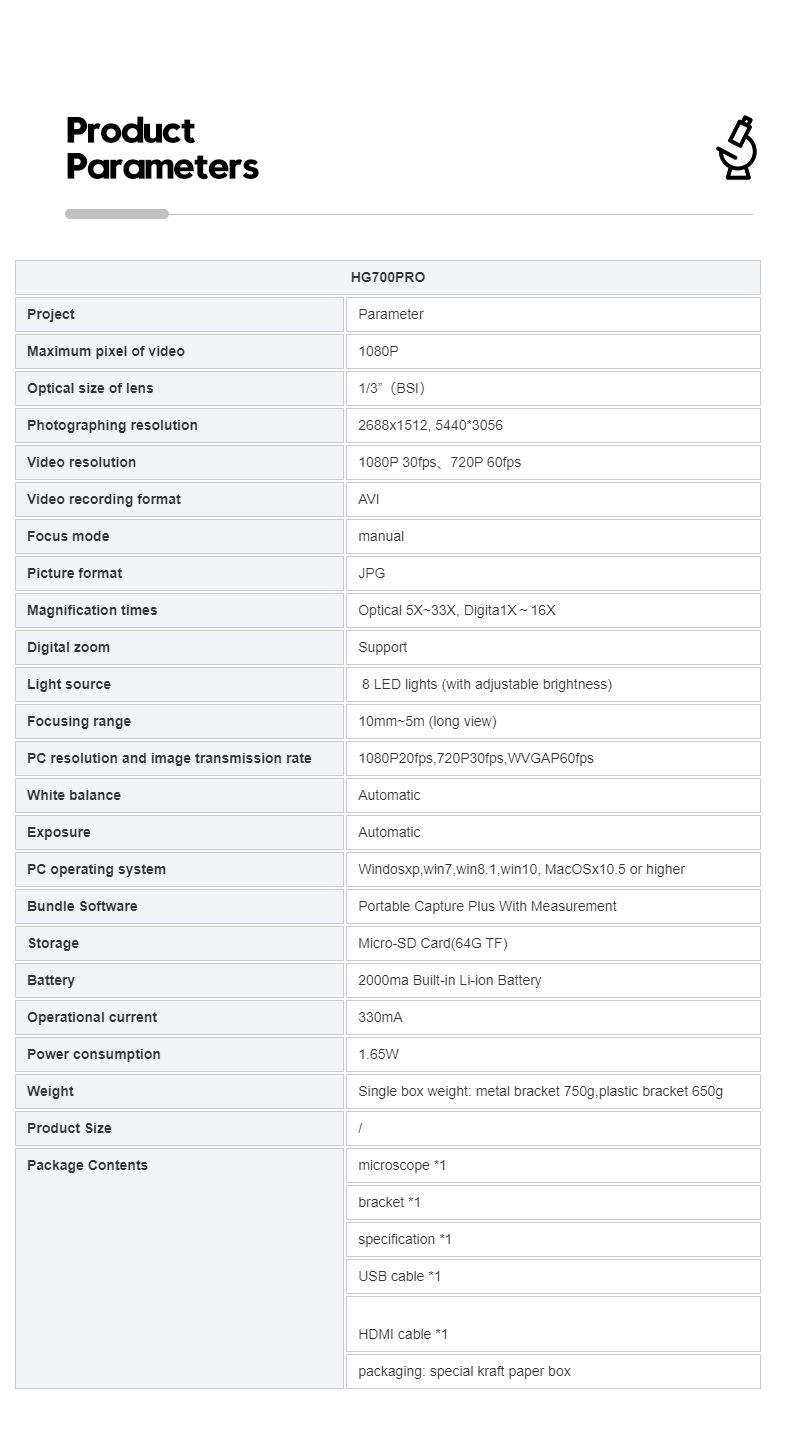

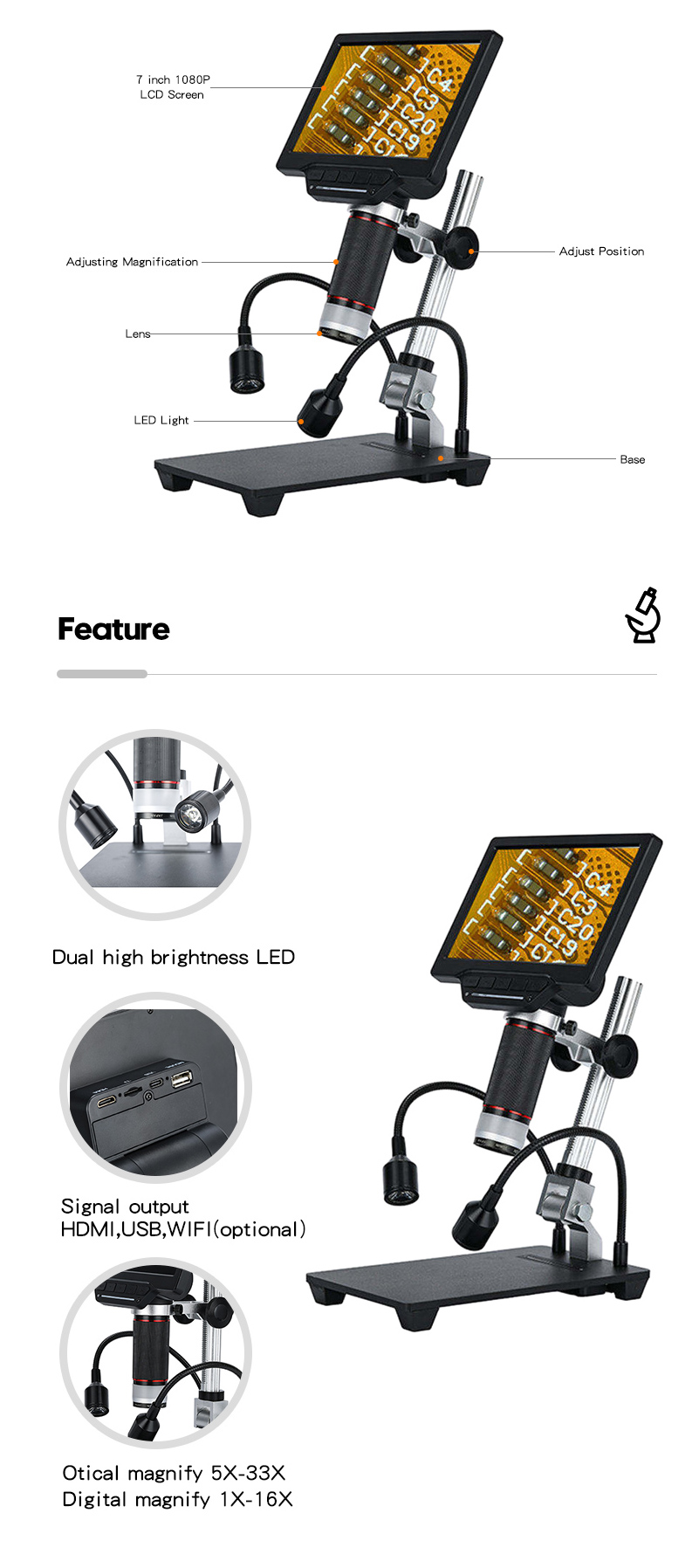
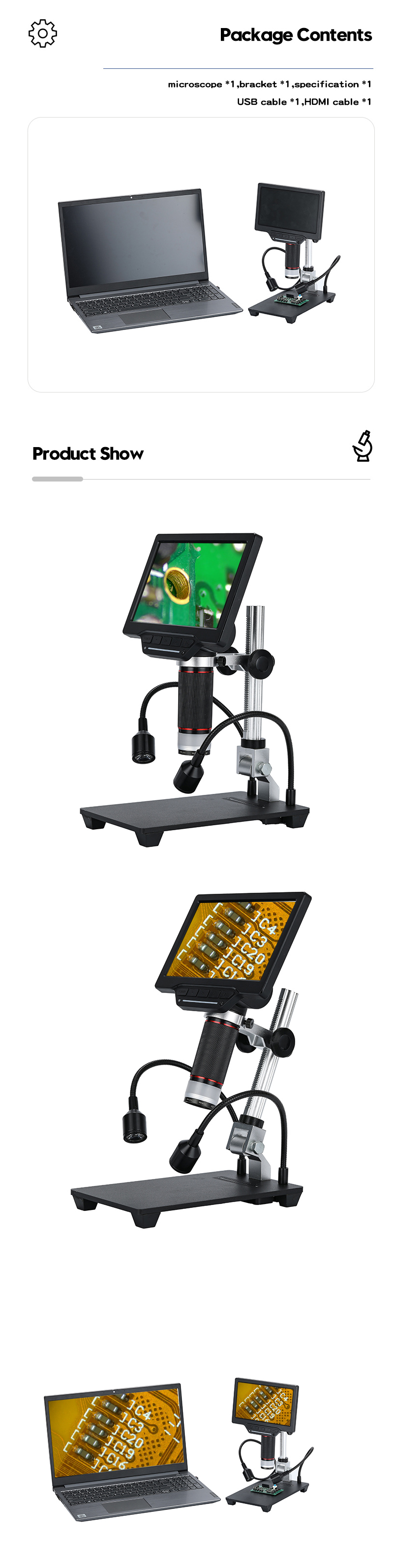
When I talk with customers about microscope equipment, I often find that they are not simply looking for higher magnification. They want to see small details clearly, operate the equipment without unnecessary difficulty, record useful images, and use the microscope comfortably during daily work. This is exactly where our High Quality Digital Video Microscope with Camera becomes useful.
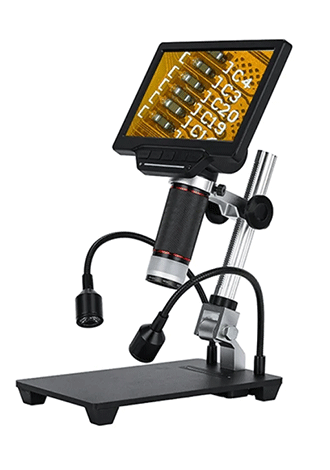
Our Digital Microscope combines optical magnification, a digital camera, and a display system. Instead of relying only on direct eyepiece observation, users can view magnified images on a screen. This makes inspection easier to share, easier to record, and more convenient for teaching, research, production checking, and product development.
At Ningbo Huaguang Precision Instrument Co., Ltd., we focus on the practical needs of microscope users. We produce educational microscopes, Industrial Inspection microscopes, professional Jewelry Inspection microscopes, optical components, and precision injection molding products. Our experience in optical products and precision manufacturing helps us understand that a microscope is not just an optical instrument. It is part of a complete working process.
Our High Quality Digital Video Microscope with Camera is designed for users who need clear observation, convenient digital imaging, and dependable operation. It can be used in laboratories, schools, electronics workshops, precision manufacturing facilities, quality control departments, jewelry businesses, research centers, and training environments.
We do not treat every customer as having the same requirement. A school may need a simple and easy-to-use microscope for classroom demonstrations. An electronics manufacturer may need a Camera Microscope for checking solder joints, circuit boards, and small components. A jewelry workshop may need clear images of stones, settings, polishing marks, and fine workmanship. The correct configuration depends on the sample, inspection method, image requirements, and working environment.
1. What Is a High Quality Digital Video Microscope with Camera?
A High Quality Digital Video Microscope with Camera is a microscope system that uses optical lenses to enlarge a sample and a digital camera to convert the magnified image into electronic information. The image can then be shown on a monitor, computer, tablet, or other compatible display system, depending on the selected configuration.
In a traditional microscope, the operator normally looks through an eyepiece. In a digital video microscope, the operator can observe the image on a screen. This difference may look simple, but it can make a real difference during inspection work.
For example, when several people need to check the same sample, screen viewing is more convenient than asking everyone to look through one eyepiece. When an inspector finds a defect, the image can be captured for later review, training, quality records, or communication with a customer. When a teacher demonstrates a specimen, the whole class can view the same image instead of waiting for individual students to use the microscope.
Our digital microscope is designed around several practical requirements:
Clear magnified image observation
Convenient digital video viewing
Image capture and recording according to the selected camera system
Easy operation for routine inspection
Stable focusing and mechanical operation
Flexible use in education, laboratories, and industry
Convenient sharing of microscope images
Suitable support for inspection records and product communication
One important point should be explained clearly. A digital camera does not automatically guarantee a perfect image. Final image quality depends on the optical system, camera sensor, lighting, focus, sample surface, working distance, and display device. This is why we pay attention to the complete microscope system instead of focusing on one number alone.
Digital Microscope and Traditional Microscope
| Item | Traditional Eyepiece Microscope | Digital Video Microscope with Camera |
|---|---|---|
| Observation method | Direct viewing through eyepieces | Magnified image shown on a digital display |
| Image sharing | Usually requires additional equipment or individual viewing | Convenient for group viewing and demonstrations |
| Image recording | Requires a separate camera or attachment | Supported through the integrated or matched camera system |
| Inspection records | May require manual notes or additional photography | Digital images can support records and reports |
| Teaching use | Students may need to take turns | One screen can support group observation |
| Operator comfort | Depends on eyepiece position and working posture | Screen viewing may provide more flexible posture |
Source for general comparison: Leica Microsystems explains that digital microscopes display live images directly on a monitor and can support inspection, documentation, quality control, failure analysis, and research and development. The table above is a general application comparison, not a claim that every digital microscope has the same functions.
2. How Our Digital Video Microscope Works
The working principle of our High Quality Digital Video Microscope with Camera is straightforward. First, the optical lens system enlarges the sample. Next, the camera sensor receives the magnified image. The camera converts the optical information into a digital signal. Finally, the signal is sent to a compatible display or computer system for live viewing, image capture, or further use.
The process can be explained in five simple steps.
Step 1: Place the Sample
The user places the sample on the working platform or inspection area. The sample may be a circuit board, metal component, plastic part, gemstone, textile fiber, biological specimen, precision assembly, or another object suitable for microscope observation.
The sample should be positioned steadily. If the object moves during observation, the image may become difficult to inspect. For production applications, a stable fixture or suitable sample holder can make the inspection process more consistent.
Step 2: Select the Optical View
The optical system enlarges the sample so that small details become easier to see. The correct magnification depends on the sample size and the detail that needs to be checked.
Higher magnification is not always better. If the field of view becomes too small, the operator may lose the overall position of the defect. If the image becomes darker or the working distance becomes inconvenient, inspection may also become slower. In practical work, users often need a balance between overview observation and close detail inspection.
Step 3: Adjust Focus and Lighting
Focusing is used to make the image sharp. Lighting is used to make the sample visible. These two operations work together.
A shiny metal surface may reflect too much light. A dark plastic part may need stronger illumination. A transparent or semi-transparent sample may need a different lighting arrangement. A flat printed circuit board and a three-dimensional mechanical component may also require different viewing conditions.
For this reason, we recommend that customers confirm the sample material, surface condition, size, and inspection purpose before choosing the final configuration.
Step 4: Capture the Digital Image
The camera sensor converts the optical image into a digital image. Depending on the selected camera and system, users may view the image in real time, capture still images, record video, or transfer images to a computer.
Digital recording is useful when an inspection result needs to be reviewed later. It can also help when a production engineer needs to show a defect to another department or when a teacher wants to prepare learning material.
Step 5: Review and Share the Result
The final image can be used for observation, comparison, training, quality records, product development, or communication. A digital microscope can therefore become more than a viewing tool. It can support the entire inspection workflow.
However, image capture and measurement functions depend on the selected camera, software, and connected equipment. We do not describe every configuration as having the same software or measurement capability. We confirm these details according to the customer’s actual order.
3. Main Features of High Quality Digital Video Microscope with Camera
Clear Digital Image Observation
The first requirement for a microscope is a useful image. Our High Quality Digital Video Microscope with Camera is designed to help users observe small details with greater convenience. Clear imaging is valuable for checking surface condition, component structure, workmanship, assembly position, and other visible features.
Image clarity depends on the complete system. We therefore consider the optical components, camera configuration, focusing mechanism, illumination, and display arrangement together. A high-resolution camera paired with unsuitable optics may not provide the expected result. In the same way, good optics cannot perform properly if the camera or lighting is not suitable.
Convenient Screen-Based Viewing
Screen viewing is one of the most practical advantages of a digital microscope. Operators can observe the sample without keeping their eyes close to an eyepiece. This can be helpful during long inspection tasks or when several people need to discuss the same image.
In a classroom, the teacher can display the sample for the whole group. In a factory, an engineer and quality inspector can check the same detail together. In a laboratory, the image can be used for discussion and documentation.
Digital Image Capture
Digital image capture allows users to keep a visual record of selected samples. These images may support quality reports, product development, training files, inspection discussions, or customer communication.
For example, an electronics factory may capture an image of a soldering issue before adjustment and another image after correction. A jewelry workshop may record a stone setting or polishing detail. A school may save images of plant structures or prepared specimens for later teaching.
Practical Operation
In daily production work, complicated operation can reduce efficiency. Our design focus is practical use. The operator should be able to place the sample, adjust the view, focus the image, and begin observation without unnecessary steps.
The exact controls depend on the microscope model and camera configuration. Before delivery, we check the relevant functions according to the agreed product configuration.
Flexible Application
Digital microscopes can be used across many industries because the basic need is similar: users need to see details that are difficult to observe with the naked eye. The sample may change, but the inspection process often includes positioning, magnification, focusing, lighting, observation, and recording.
Our digital microscope can support education, electronics inspection, precision machinery, medical equipment checking, jewelry observation, biological research, product development, and quality control applications. The final suitability should always be confirmed according to the actual sample and required inspection result.
Support for Inspection Documentation
Digital images can make communication more direct. Instead of writing only “small surface defect” or “solder joint problem,” an inspector may attach an image to show the exact area. This can reduce misunderstanding between production, quality control, engineering, and customers.
For businesses working with ISO-based quality systems, clear inspection records can be useful. Our company has been certified to the ISO9001 Quality Management System. We understand the importance of checking product quality and maintaining consistent production procedures.
4. Technical Advantages: What Should Buyers Compare?
When customers compare digital microscopes, they often begin with magnification or camera pixels. These numbers are easy to read, but they do not tell the whole story. I recommend looking at the complete working system.
Optical Magnification and Digital Magnification
Optical magnification enlarges the image through lenses. Digital magnification enlarges the image electronically after the camera receives it. Optical magnification is closely related to the real detail that the system can resolve.
Digital zoom can be useful for viewing, but excessive digital enlargement may make pixels more visible without adding real detail. For inspection work, a clear optical image is usually more important than an impressive digital zoom number.
Resolution
Resolution describes the number of image pixels or the ability to distinguish fine details, depending on the context. A camera with a higher pixel count can provide more image information, but the result also depends on optics, lighting, focus, sensor quality, and image processing.
For this reason, we do not recommend selecting a microscope only by the advertised megapixel value. The correct choice depends on whether the user needs general observation, detailed inspection, image recording, or measurement.
Frame Rate
Frame rate is usually expressed in frames per second, or FPS. It describes how many images are displayed each second during video viewing.
A higher frame rate can make live viewing feel smoother, especially when the operator moves the sample, adjusts focus, or works with moving parts. A lower frame rate may still be acceptable for static samples and basic observation.
| Frame Rate Example | Typical Viewing Experience | Possible Application |
|---|---|---|
| 15 FPS | Basic live viewing, with more visible motion steps | Simple observation or low-motion tasks |
| 30 FPS | Common smooth video viewing for routine work | Education, laboratory observation, general inspection |
| 60 FPS | Smoother response during movement and focusing | Electronics inspection, precision assembly, active inspection |
| Higher Frame Rates | Useful when fast motion or special recording is important | Selected professional or research applications |
Source for frame-rate comparison: Nikon Instruments and other microscope camera manufacturers publish camera systems with different combinations of resolution and frame rate. The values in this table are general examples for understanding the concept, not specifications of every Huaguang product.
Lighting
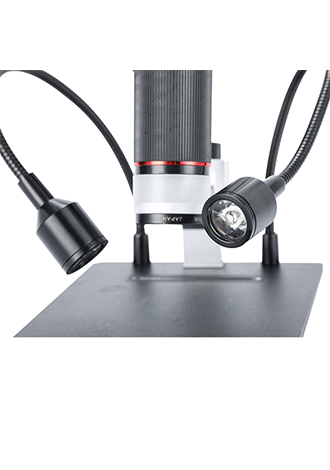
Lighting has a direct effect on what the user can see. A microscope image may look poor because of insufficient light, excessive reflection, uneven illumination, or unsuitable light direction.
For industrial inspection, reflective metal, polished jewelry, solder joints, plastics, and dark components can behave differently under the light. The best lighting method depends on the sample surface and the detail being checked.
When discussing a project with a customer, we usually ask:
Is the sample shiny, matte, transparent, or dark?
Does the sample have a flat or uneven surface?
Does the operator need an overall view or close detail?
Will the sample be moved during inspection?
Does the customer need still images, video, or both?
Will one person or several people view the image?
Working Distance
Working distance is the space between the lens and the sample when the image is in focus. It matters because the operator may need room to hold tools, adjust a component, or work on the sample under magnification.
For electronics repair, precision assembly, jewelry work, and industrial inspection, a suitable working distance can make the microscope more comfortable and useful. The required working distance depends on the lens and microscope configuration, so customers should confirm it before ordering.
Display and Connection
The display method affects how the microscope fits into the working environment. Some users prefer a direct monitor view. Others may need computer connection, image storage, or integration with an existing inspection system.
Connection type, software support, operating system compatibility, and recording method should be confirmed for the selected camera. We avoid assuming that every digital microscope supports every interface or software function.
5. Application Industries and Practical Uses
Electronics and PCB Inspection
Electronics inspection is one of the common application areas for digital microscopes. Circuit boards contain small solder joints, electronic components, connectors, wires, and printed details. Some defects are difficult to see with the naked eye.
Our High Quality Digital Video Microscope with Camera can support visual inspection of PCB surfaces, solder joints, component placement, connector condition, and small assembly details. It can also be useful during repair and rework, where the operator needs to observe the sample while using tools.
For electronics applications, buyers should pay attention to image clarity, live video smoothness, working distance, lighting, and the ability to keep the sample stable.
Precision Machinery
Precision machinery manufacturers often need to check small machined parts, edges, grooves, holes, surfaces, and assembly details. A digital microscope can help operators view these areas more conveniently.
It may be used for incoming material checking, process inspection, final quality control, and product development. It can also support communication between the machining department and quality department by providing clear images of the same part.
Jewelry and Gemstone Observation
Jewelry work requires attention to small details. Users may need to observe gemstone surfaces, stone settings, polishing marks, metal edges, engraving, and fine workmanship.
A digital microscope with camera can make these details easier to share with customers or colleagues. It may also support training for new jewelry workers, especially when an experienced operator needs to explain a small detail on the screen.
The suitable optical configuration depends on the jewelry size, stone type, surface reflection, and inspection purpose. Gemstone observation should not be described as a complete gemological identification process unless the system includes the required equipment and professional methods.
Medical Equipment Checking
Digital microscopes may be used for visual checking of medical equipment components, Small Parts, assemblies, and manufacturing quality. They can help users observe surfaces, connections, and workmanship during production or inspection.
However, a Microscope Used for checking medical equipment is not automatically approved for clinical diagnosis or surgical use. The final application must follow the relevant regulations, product requirements, and complete system configuration.
Biological Research and Education
Digital microscopes are also useful in schools, universities, laboratories, and training centers. Students can observe prepared specimens and share the same image with teachers and classmates.
Typical learning activities may include observing plant structures, fibers, prepared biological samples, small materials, and everyday objects. The digital image can be used in classroom discussion, homework, presentations, and learning records.
Quality Control and Product Development
Quality control teams need repeatable and understandable inspection methods. A digital microscope can help operators compare samples, identify visible differences, and save images for later review.
Product development teams may use the microscope during prototype checking, material comparison, assembly review, and design improvement. Digital images can help engineers communicate with suppliers and production teams.
| Industry | Common Observation Tasks | Important Selection Factors |
|---|---|---|
| Electronics | PCB, solder joints, connectors, small components | Clear image, smooth video, lighting, working distance |
| Precision Machinery | Machined edges, holes, surfaces, assembly details | Optics, focus stability, sample positioning |
| Jewelry | Gemstones, settings, polishing, fine workmanship | Surface lighting, optical clarity, comfortable viewing |
| Education | Prepared specimens, plants, fibers, simple samples | Easy operation, screen sharing, basic recording |
| Laboratories | Sample observation, comparison, research documentation | Image quality, camera compatibility, recording method |
| Quality Control | Surface defects, component condition, process checking | Repeatable viewing, image records, stable operation |
Source for application categories: Leica Microsystems describes digital microscopy applications in industrial manufacturing, process engineering, quality control, failure analysis, product innovation, and research and development. The application examples above are general industry uses and should be matched to the actual microscope configuration.
6. Our Manufacturing Process and Quality Control
A reliable microscope is not produced by assembling random components and placing them in a housing. Optical alignment, mechanical operation, camera matching, appearance, and packaging all influence the final user experience.
At Ningbo Huaguang Precision Instrument Co., Ltd., we combine product design, optical component experience, precision manufacturing, and inspection procedures. Our company is located in Haishu District, Ningbo, with convenient transportation and a pleasant working environment. We serve customers in more than 20 countries and regions, including America, Brazil, Germany, the Netherlands, and Japan.
Product Requirement Confirmation
Before production, we confirm the customer’s application, sample type, microscope model, camera configuration, display method, accessories, quantity, packaging requirements, and delivery expectations.
This step is important because a microscope for classroom use may have different requirements from a microscope for electronics inspection. A camera system for still image recording may also differ from a system intended for smooth live video.
Component Preparation
We prepare the optical, mechanical, electronic, and packaging components according to the agreed configuration. Component availability can influence the production schedule, especially for customized products or special camera arrangements.
Mechanical Assembly
The mechanical structure is assembled and checked. The focusing mechanism, support structure, platform, knobs, and other moving parts should operate properly. Stable mechanical operation helps the user maintain a clear image during inspection.
Optical and Camera Matching
The optical system and camera should work together as a complete unit. We check the image presentation and relevant camera functions according to the selected configuration.
We pay attention to image clarity, focusing, viewing convenience, and the practical performance of the complete system. We do not rely only on the camera specification printed on a component label.
Functional Inspection
Before shipment, we check assembly quality, optical performance, focusing and mechanical functions, camera operation, accessories, appearance, and packaging. The inspection items are adjusted according to the product model and customer agreement.
Packaging Inspection
Packaging is part of product quality. A microscope contains optical and mechanical components that should be protected during transport. We use suitable cushioning and dust-proof materials, individual boxes, and reinforced export cartons or other suitable outer packaging.
Our aim is to reduce movement, impact, dust, and transportation damage. The exact packing method depends on product size, quantity, shipping method, and customer requirements.
7. Production Cycle, Delivery Standard, Payment, and Transport
Production Cycle
The production cycle depends on the microscope model, camera configuration, order quantity, component availability, and customization requirements.
Standard models are usually arranged faster than customized orders. If the customer requests special colors, packaging, camera functions, accessories, or structural changes, additional time may be required for confirmation, preparation, production, and inspection.
For an accurate delivery schedule, we recommend confirming the following information before placing the order:
Product model and microscope type
Camera resolution and viewing requirements
Display or computer connection method
Required accessories
Order quantity
Customized appearance or packaging
Destination country and transport method
Delivery Standard
Delivery includes the agreed microscope configuration, camera, accessories, user documents, and applicable inspection or certification documents. The final delivery list is confirmed in the quotation, order confirmation, or sales agreement.
We do not add unconfirmed accessories or promise functions that are not included in the order. This helps avoid misunderstandings between the buyer and supplier.
Payment Method
Payment can be arranged according to the sales agreement. For many orders, the common method is a deposit followed by the balance before shipment. The exact payment percentage and payment schedule depend on the product, order quantity, customization level, and agreement between both parties.
Transport Method
We can arrange air freight, sea freight, express delivery, or other suitable logistics according to the destination and order requirements.
Express delivery may be suitable for small and urgent orders. Air freight can be considered when delivery speed is important. Sea freight is often suitable for larger or heavier shipments. The final transport choice should consider cost, delivery time, product quantity, customs requirements, and destination conditions.
Packaging Method
Each microscope is protected with suitable cushioning and dust-proof materials. Individual boxes help separate products, while reinforced export cartons provide additional protection during handling and transport.
For larger orders, we may adjust the packaging method according to the number of units, carton size, shipping method, and customer requirements. If the customer has special packaging instructions, these should be confirmed before production.
8. Why Choose Ningbo Huaguang Precision Instrument Co., Ltd.?
Experience in Different Microscope Fields
Our company produces educational microscopes, industrial inspection microscopes, professional jewelry inspection microscopes, optical components, and precision injection molding products. This product range gives us experience with different user groups and application requirements.
We understand that a microscope for children’s science learning, a microscope for jewelry inspection, and a microscope for factory quality control should not be treated as the same product.
Focus on Practical Product Design
Our design approach focuses on clear observation, stable operation, convenient use, and reasonable product configuration. We believe that a product should be useful in real working conditions, not only attractive in a catalogue.
Quality Management
Our company has been certified to the ISO9001 Quality Management System. Our products have also been certified to CE and RoHS according to the applicable product requirements.
Certification details and applicable documents should be confirmed according to the specific product model and shipment requirements. We provide the relevant documents according to the agreed order.
International Customer Experience
Our products are exported to more than 20 countries and regions, including America, Brazil, Germany, the Netherlands, and Japan. Working with customers from different markets has helped us understand the importance of communication, documentation, packaging, delivery arrangements, and after-sales support.
Continuous Improvement
Our company credo is “Nothing is perfect only better and better.” We believe that product improvement should continue after the first production run. Customer feedback, inspection results, component changes, and application requirements can all help us improve future products.
Service Before and After Delivery
We support customers during product selection, configuration confirmation, production communication, inspection, packaging, and delivery. If a customer is not sure which camera or microscope configuration is suitable, we recommend discussing the actual sample and working process first.
A clear requirement at the beginning can help reduce later changes and make the final product more suitable for the customer’s application.
9. Frequently Asked Questions
What is a High Quality Digital Video Microscope with Camera used for?
It is used for magnified observation, digital video viewing, image capture, inspection, teaching, research, and quality control. Common applications include electronics inspection, precision machinery, jewelry observation, biological research, medical equipment checking, product development, schools, and training centers.
Can I view the microscope image on a screen?
Yes. The product is designed around a digital camera and display system. The exact display method depends on the selected camera configuration, monitor, computer, tablet, or other compatible equipment.
Can the microscope capture images?
Digital image capture is supported according to the selected camera and system configuration. Customers should confirm whether they need still images, video recording, computer storage, or other functions before ordering.
Is higher magnification always better?
No. Higher magnification is not always more useful. The correct choice depends on the sample size, required detail, field of view, working distance, lighting, and image clarity. A balanced optical system is often more important than a high magnification number alone.
What should I consider when choosing a digital microscope camera?
You should consider resolution, frame rate, sensor performance, optical compatibility, display method, image recording needs, connection type, software requirements, lighting, and the type of sample you will inspect.
Is this microscope suitable for PCB inspection?
It can be suitable for PCB inspection when the selected optical system, camera, lighting, working distance, and display arrangement match the application. We recommend confirming the PCB size, component size, inspection details, and whether the operator needs live video or image recording.
Is it suitable for jewelry inspection?
It can support jewelry observation, gemstone viewing, surface checking, stone setting inspection, and fine workmanship observation. The final configuration should be selected according to the jewelry type, surface reflection, required magnification, and lighting conditions.
Can it be used in Schools and Laboratories?
Yes. Digital microscopes are useful for classroom demonstrations, specimen observation, biology learning, laboratory work, training, and research. Screen-based viewing allows several students or researchers to observe the same image together.
How long is the production cycle?
The production cycle depends on the model, camera configuration, order quantity, component availability, and customization requirements. Standard models are usually arranged faster than customized products. We confirm the delivery schedule after reviewing the order details.
What is included in the delivery?
Delivery includes the agreed microscope configuration, camera, accessories, user documents, and applicable inspection or certification documents. The exact list is confirmed in the sales agreement or order confirmation.
What payment method do you accept?
Payment is arranged according to the sales agreement. A common method is a deposit and balance before shipment. The exact terms depend on the order and customization requirements.
How do you ship the microscope?
We can arrange air freight, sea freight, express delivery, or other suitable logistics. The choice depends on destination, order quantity, delivery time, shipping cost, and customer requirements.
How is the microscope packed?
We use cushioning and dust-proof materials, individual boxes, and reinforced export cartons or suitable outer packaging. The packing method is adjusted according to product size, quantity, and transport conditions.
Conclusion
Our High Quality Digital Video Microscope with Camera is designed for customers who need clear magnified observation, convenient digital imaging, and practical inspection support. By combining optical magnification with a digital camera and display system, it helps users observe small details, share images, record inspection results, and improve daily working convenience.
It can support electronics inspection, precision machinery, jewelry observation, biological research, medical equipment checking, quality control, product development, education, and training. The best configuration depends on the actual sample and working process, so we recommend confirming the application before placing an order.
At Ningbo Huaguang Precision Instrument Co., Ltd., we focus on stable product quality, practical design, careful inspection, suitable packaging, and responsive service. With our experience in educational microscopes, industrial inspection microscopes, professional jewelry inspection microscopes, optical components, and precision injection molding, we aim to provide microscope solutions that are useful in real working environments.
If you are looking for a High Quality Digital Video Microscope with Camera for laboratory observation, industrial inspection, education, jewelry work, or product development, please contact us with your sample information, inspection requirements, camera preferences, and expected order quantity. We can then help confirm a suitable configuration and provide a practical quotation.
Product keyword focus: High Quality Digital Video Microscope with Camera, Digital Video Microscope, Digital Microscope with Camera, Industrial Digital Microscope, Digital Microscope for Precision Inspection, Camera Microscope for Electronics Inspection, Digital Microscope for Jewelry Observation.

 WhatsApp
 Phone
Phone E-mail
 Message